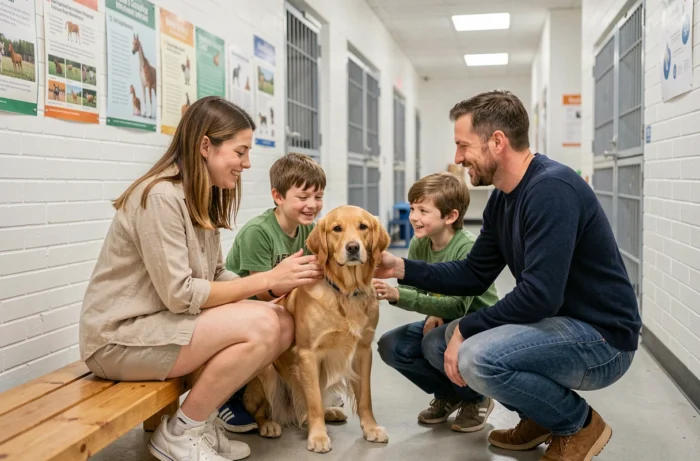
Summer 2026 has put French shelters under unprecedented pressure. The SPA has noted a significant increase in animal care compared to 2025, while recording an approximately 18% rise in adoptions during the same period. This dual dynamic illustrates a paradox that weighs on the entire animal protection system.
Finding the right animal for one’s family through shelter adoption remains the most coherent path, provided one understands what it truly entails.
Saturation of Shelters in 2026: What the Numbers Reveal About Animal Adoption
The reports published in September 2026 by the SPA confirm that shelters are nearing capacity. The increase in animal care surpasses that of adoptions by a few points, meaning that the stock of animals waiting continues to swell despite the goodwill of adopters.
This chronic saturation has direct consequences on the conditions of care. Shelter teams must manage larger numbers with resources that do not increase at the same pace. For a family considering adoption, this changes the game: the time for communication with caregivers may lengthen, and the pressure to “place” an animal should not lead to rushing the compatibility assessment.
On Animagora, the profiles of available animals in different facilities allow filtering by species, size, or temperament even before visiting. This type of pre-selection avoids impulsive visits to shelters, where emotion often takes precedence over reflection.
Law Against Animal Abuse: The Rules Governing Shelter Adoption
The law of November 30, 2021, against animal abuse introduced concrete changes, some of which have only recently come into effect. Since January 1, 2024, the sale of dogs and cats in pet shops is prohibited. Shelters and approved associations thus become the main channel for adopting these species outside of registered breeding.
Another aspect is under study: a system would allow shelters to verify that a potential adopter is not subject to a judicial prohibition on owning an animal. This filter, presented in the action plan of the CNR Animal Welfare in September 2026, aims to prevent individuals convicted of abuse from reclaiming an animal through adoption.
For families, these regulatory developments mean two things:
- The adoption process in shelters becomes more structured, with checks that did not exist a few years ago, protecting both the animal and the adopter
- Associations have a strengthened legal framework to refuse an adoption if the applicant’s profile shows warning signs
- Impulsive purchases in pet shop windows are no longer possible for dogs and cats, which mechanically redirects more requests to already saturated shelters
Choosing Between Dog, Cat, or Other Species: Concrete Criteria for a Family
The choice of species primarily depends on the logistical constraints of the household, not emotional preferences. The size of the housing, daily presence time, and family composition determine the success of an adoption much more than the appeal of a breed or size.
An adult dog adopted from a shelter has generally been evaluated by caregivers on its behavior with children, other animals, and its tolerance for solitude. These behavioral profiles, when they exist, provide a much more reliable decision-making tool than a breed description.
The Question of Available Time
A dog typically requires several outings each day and regular presence. A family with two full-time working parents and school-aged children has a limited window during the week. Field reports vary on this point: some trainers believe that a medium-sized dog adapts well to a fenced garden with two outings per day, while others insist on the necessity of at least three outings, regardless of outdoor space.
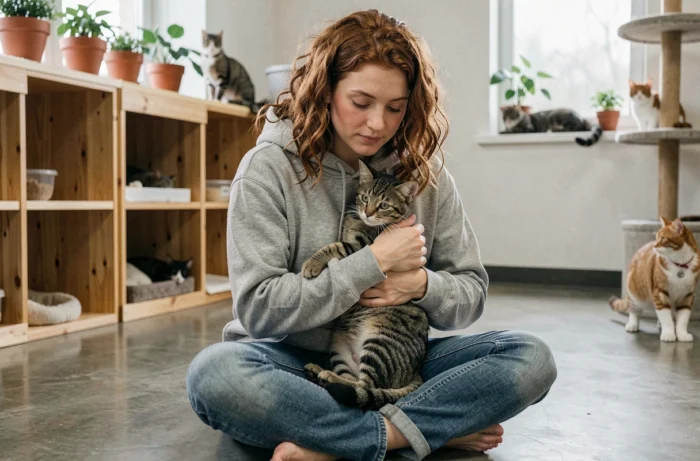
A cat, on the other hand, tolerates prolonged absence better, provided it has an enriched environment (scratching posts, high observation points, rotating toys). For a family new to pet ownership, a socialized adult cat often represents the most realistic compromise.
Less Common Species in Shelters
Shelters also take in rabbits, rodents, and sometimes reptiles. These animals pose specific questions: variable lifespan, precise dietary needs, sensitivity to stress.
A rabbit, for example, requires a living space on the ground much larger than what is suggested by cages sold in pet shops. Associations regularly report abandonments related to a lack of understanding of the real needs of these species.
Real Cost of Adoption in a Shelter: Annual Health and Care Budget
Adoption fees in shelters generally cover identification, sterilization, and initial vaccinations. This initial amount remains modest compared to the annual budget that a pet represents.
The anticipated expenses over the animal’s lifespan are often underestimated:
- Routine veterinary care (vaccination boosters, antiparasitics, dental cleaning) represents a recurring budget that increases with the animal’s age
- Quality food suitable for the species and size weighs on the monthly budget, particularly for large dogs
- Unexpected expenses (accident, chronic illness, surgery) can reach significant amounts without pet health insurance
- Pet care during vacations, if no relative can take over, is an expense that many families discover after adoption
An adopted animal financially commits for ten to fifteen years depending on the species. Associations consistently remind this during pre-adoption interviews, but awareness sometimes comes too late.
The current saturation of shelters shows that the problem does not lie in the willingness to adopt. French families are adopting more than before. The challenge lies in the compatibility between the household’s lifestyle and the daily needs of the animal. A thorough interview with the shelter caregivers, combined with a realistic list of one’s own time and budget constraints, significantly reduces the risk of return in the months that follow.